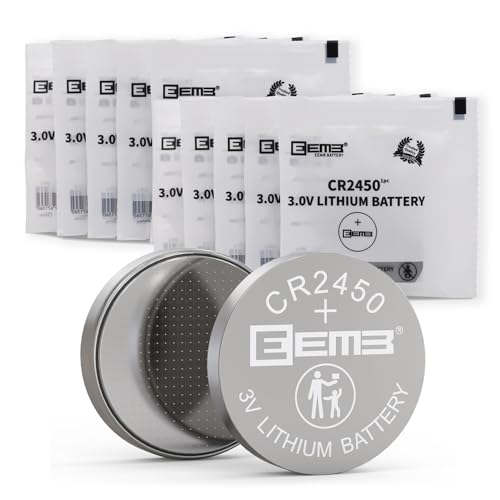
essential guide to selecting the right replacement battery type
In 2026, choosing the right replacement battery is essential for ensuring that your devices function optimally and remain reliable. With countless options available, navigating through the various types can feel daunting. This guide aims to clarify the selection process, providing you with the necessary insights to make an informed choice.
Understand Your Device's Requirements
Before diving into the specifics of battery types, it is crucial to understand the power requirements of the device you are replacing the battery for. Check the user manual or the manufacturer's website for specifications such as voltage, amp-hour rating, and size. Knowing these details will help you narrow down your options significantly.
Types of Replacement Batteries
There are several common types of batteries used across various devices. The most prevalent include alkaline, lithium-ion, nickel-metal hydride, and lead-acid batteries. Each type has its unique characteristics and applications.
1. Alkaline Batteries: These are the standard batteries found in household items like remote controls and toys. Alkaline batteries are inexpensive and widely available but are single-use and not rechargeable.
2. Lithium-Ion Batteries: Often found in smartphones, laptops, and electric vehicles, lithium-ion batteries are rechargeable and known for their high energy density and longevity. They have a slower self-discharge rate, making them ideal for devices that require consistent power over time.
People Also Look For:
- EBL USB Rechargeable 9V Batteries - 5400mWh Long Lasting Batteries with Micro Charging Cable - Quick Charge in 2 Hours (Pack of 4)
- 9V Rechargeable Batteries,1300mAh Lithium Batteries USB-C Charge with 2 in 1 Charging Cable for Smoke Detectors, Alarms, Microphon...
- AA AAA Battery Charger - Rechargeable Batteries with 4 Slots, Independent Charging Slot Intelligent LCD Screen for AA/AAA, Overloa...
- JEUCLEL USB Powered Vehicle OBD II Connector Memory Saver with Buzzer, Car ECU Emergency Power Supply Cable, Automotive Battery Re...
- Electric Tin Opener UK - Battery Operated Automatic Tin Opener - Ideal for Elderly & Arthritic Hands - Effortless Can Opening - Re...
3. Nickel-Metal Hydride Batteries: These batteries are commonly used in hybrid vehicles and can be found in rechargeable devices such as digital cameras. They have a higher capacity than alkaline batteries but can suffer from a memory effect if not fully discharged regularly.
4. Lead-Acid Batteries: Typically used in vehicles and backup power supplies, lead-acid batteries are heavy but cost-effective. They are reliable for high-current applications and can be recharged multiple times.
Battery Size and Compatibility
Another vital aspect of selecting a replacement battery is ensuring it is compatible with your device. Batteries are available in various sizes such as AAA, AA, 18650, and others. Check your device for the specific size required. Mismatched sizes can lead to improper fit and potential damage.
Consider Battery Life and Rechargeability
The longevity of a battery is a significant factor in your decision-making process. Evaluate how often you use your device and how quickly the battery tends to drain. For frequent use, opt for rechargeable batteries to save money and reduce waste. Lithium-ion batteries typically offer the best performance and longevity for rechargeable options.
Brand Reputation and Quality
When selecting a replacement battery, brand reputation plays a crucial role. Opt for well-known brands that offer warranties and guarantee their products. Lesser-known brands may be cheaper, but they often compromise on quality, leading to poor performance or even safety risks.
Environmental Considerations
In 2026, environmental concerns are increasingly important. When selecting a replacement battery, consider options that are recyclable or made with eco-friendly materials. Lithium-ion and nickel-metal hydride batteries are generally more environmentally friendly than alkaline batteries.
Price Considerations
While price is often a deciding factor, it is essential to remember that cheaper does not always mean better. Weigh the cost against the battery's expected lifespan and performance. Investing in a higher quality battery can save you money in the long run due to less frequent replacements.
Where to Purchase Replacement Batteries
Replacement batteries can be found in various retail outlets, including electronics stores, supermarkets, and online marketplaces. Always buy from reputable sources to avoid counterfeit products that could endanger your devices.