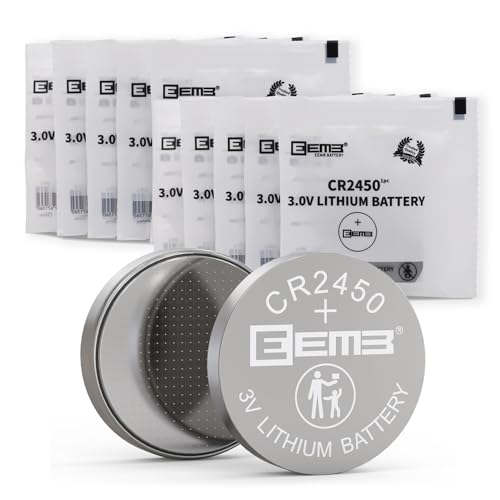
Evaluating Replacement Batteries That Stand Out in 2026
As we move into 2026, the demand for reliable and efficient replacement batteries continues to grow. With advancements in technology and a heightened focus on sustainability, the market is witnessing an influx of innovative options. Evaluating these batteries requires a comprehensive understanding of key features, performance metrics, and emerging technologies.
Understanding Battery Chemistry
At the core of any battery lies its chemistry. In 2026, lithium-ion batteries remain predominant due to their high energy density and longevity. However, alternative chemistries such as solid-state batteries are gaining traction. These batteries promise improved safety and efficiency, reducing the risk of overheating and fire hazards associated with traditional lithium-ion technologies. Moreover, solid-state batteries offer the potential for higher energy capacities, which is particularly beneficial for electric vehicles and portable electronics.
Performance Metrics
When evaluating replacement batteries, several performance metrics must be considered. Capacity, measured in ampere-hours, indicates how much energy a battery can store. A higher capacity translates to longer usage times, which is crucial for consumers relying on their devices throughout the day. Additionally, charge cycles are a critical factor; a battery’s lifespan is often defined by the number of full charge and discharge cycles it can undergo before its capacity significantly diminishes. Manufacturers are now offering batteries with enhanced cycle life, resulting in lower replacement frequencies and reduced waste.
People Also Look For:
- GP Batteries AA batteries AA pack of 18 Ultra Alkaline disposable double aa batteries 1.5v 10 year shelf life for toys fairy light...
- Energizer Alkaline Power - AA Batteries (16 Pack) - Double A Battery 1.5V - Up To 50% Longer Lasting - For Everyday Devices - 100%...
- 160 Hearing Aid Batteries 10. Rayovac Extra 20x8 Pack PR70 Yellow Size
- aunstarwei 40V 2.5Ah Replacement Lithium Battery for GreenWorks 29462 Battery GreenWorks 40V G-MAX Power Tools 29252 20202 22262
- STATUS Bicycle Lights | Bicycle LED Flashlights | Front and Back Lights | 4 x AAA and 2 x AAA Batteries (not included) | SLEDCLS1P...
Environmental Impact
As environmental consciousness rises, the ecological impact of battery production and disposal is under scrutiny. In 2026, consumers are increasingly prioritising batteries that are recyclable or made from sustainable materials. Companies are innovating in this area, developing batteries that minimise the use of rare metals and utilising more abundant materials. Furthermore, advancements in recycling technologies are making it easier to recover valuable components from used batteries, thus promoting a circular economy.
Smart Features and Connectivity
In the age of smart technology, batteries are evolving beyond mere power sources. Many replacement batteries now come equipped with smart features that allow users to monitor performance remotely. Through smartphone applications, users can track battery health, charge status, and even receive alerts about potential issues. This connectivity not only enhances user experience but also aids in preventative maintenance, extending the battery’s life and ensuring optimal performance.
Compatibility and Versatility
As the market diversifies, compatibility becomes a critical consideration. Replacement batteries must not only fit the device but also align with its power requirements. In 2026, manufacturers are focusing on producing versatile batteries that cater to a wide range of applications, from consumer electronics to industrial machinery. This versatility can simplify the purchasing process for consumers, as they can find a suitable battery that meets multiple needs.
Cost Considerations
The cost of replacement batteries plays a significant role in consumer decision-making. While high-performance batteries may come with a premium price tag, it is essential to consider the long-term value. Batteries that offer longer lifespans, higher efficiency, and better environmental credentials can ultimately save consumers money and reduce their ecological footprint. In 2026, consumers are encouraged to weigh the initial costs against potential savings and environmental benefits.
Market Trends and Innovations
The battery market in 2026 is witnessing rapid innovation, driven by the need for cleaner and more efficient power sources. Emerging technologies such as graphene batteries are beginning to surface, promising faster charging times and greater energy storage capabilities. As researchers continue to explore new materials and designs, the landscape of replacement batteries is set to evolve further, providing consumers with even more choices in the coming years.