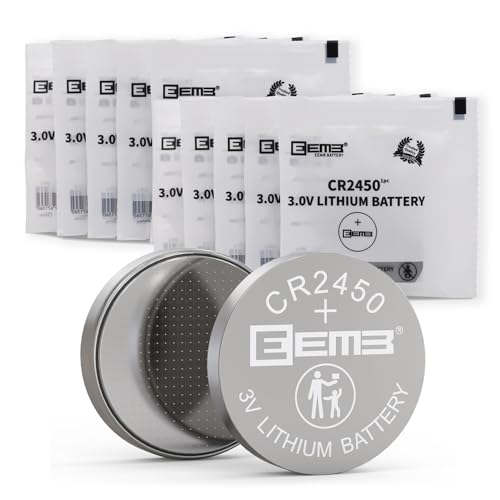
simple steps to safely replace batteries in everyday devices
Replacing batteries in everyday devices is a common task that many of us face. Whether it's the remote control, smoke alarm, or toys for the kids, knowing how to safely replace batteries is essential. In 2026, with advanced devices using various battery sizes and types, it is more important than ever to ensure that we handle battery replacement properly to avoid any accidents.
Gather Your Tools
Before you start, gather the necessary tools. You will typically need a small screwdriver, especially for devices that require opening a compartment with screws. A pair of gloves can help to prevent any skin irritation, and having a cloth handy can assist in cleaning any leaked battery residue. Most importantly, ensure you have the correct replacement batteries on hand—check the specifications on the device or the battery itself.
Identify the Battery Type
Different devices use different battery types, such as AA, AAA, 9V, or even rechargeable lithium-ion batteries. Look for a label on the device or consult the user manual to identify the correct battery type. This will save you time and frustration, preventing you from purchasing incorrect batteries.
Prepare the Work Area
Choose a well-lit and clean area to work in. This will help you clearly see the battery compartment and any small components you may need to handle. It is advisable to work on a flat surface to prevent parts from rolling away or getting lost.
People Also Look For:
- Size 312 13 10 Battery Case Holder Storage,Hearing Aid Batteries Case for 32x A312 Size312 P312 312A P13,Safety Aid Zinc Air Prime...
- Ultra Alkaline Triple A Batteries, Long Lasting Power - Ideal for Camera, Alarm & Industrial Use - 10-Year Shelf Life - 36 Pack by...
- Universal Battery Level Tester, No Batteries Required, Tests AAA, AA, C, D, 9V and 1.5V Button Cell Batteries
- Rayovac Extra 312, 8 Pack, Hearing Aid Batteries, High Performance, Zinc Air Batteries, 1 Blister Card, Brown, 312AUX-8XEMF
- VUEBEE 7W Solar Panel Compatible with EufyCam, USB-C & Micro USB Solar Charger for 5V Battery Security Cameras, Weatherproof with ...
Remove the Old Batteries
Carefully open the battery compartment. Depending on the design, this may involve pressing a button, sliding a cover, or unscrewing a panel. If you encounter resistance when trying to remove the batteries, double-check that you are not missing a hidden latch or screw. Always note the orientation of the batteries as you remove them; most batteries have a positive (+) and negative (-) end that must align correctly in the new installation.
Check for Leakage
Before inserting new batteries, examine the compartment for any signs of leakage or corrosion. If you find any, use a cloth to clean it gently. If the corrosion is severe, consider using a small amount of vinegar or baking soda mixed with water to neutralise it, but ensure to dry the area completely before inserting new batteries.
Insert New Batteries
Take your new batteries and insert them into the compartment, ensuring that the positive and negative ends are aligned correctly with the markings inside the compartment. This step is crucial; inserting batteries incorrectly can damage the device or cause it to malfunction.
Close the Compartment
Once the new batteries are in place, securely close the battery compartment. If it has screws, make sure they are tightened adequately without overdoing it, as this can strip the screws or damage the compartment.
Test the Device
After replacing the batteries, turn on the device to ensure it is functioning properly. If it does not work, double-check the battery orientation and connections. Sometimes, a device may require a reset after battery replacement, so consult the manual if you encounter issues.
Dispose of Old Batteries Safely
Finally, do not forget to dispose of the old batteries responsibly. Many local councils provide battery recycling services, or you can take them to designated collection points. Never throw batteries in the regular bin, as they can leak harmful chemicals into the environment.